
Earth’s average surface temperature exhibits a long-term upward trend because greenhouse gases (GHGs) including carbon dioxide (CO2), methane (CH4), and nitrous oxide (N2O) accumulate in the atmosphere. This phenomenon is known as global warming. The planet becomes warmer through the sun’s trapped heat because these gases create a “greenhouse effect.”
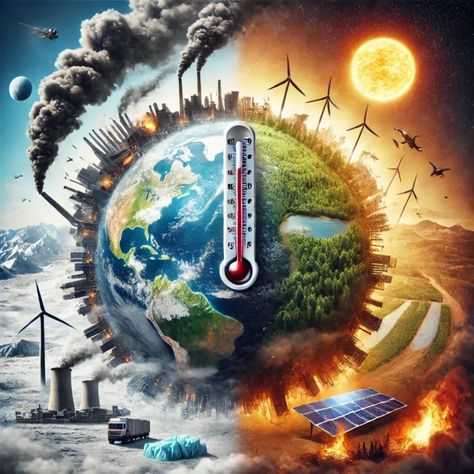
Causes of Global Warming:-
1.Human activities that burn fossil fuels such as coal, oil and natural gas power electricity generation alongside transportation systems and industrial plants.
2. Deforestation occurs when tree removal eliminates natural carbon dioxide absorption capabilities of plants.
3.Agricultural emissions from livestock operations and fertilizer applications cause atmospheric methane production and nitrous oxide emissions.
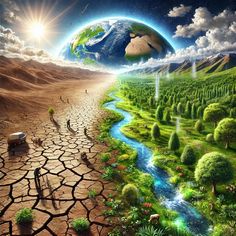
4. Industrial Processes: Cement production, chemical manufacturing, etc.
Methane gas develops from decomposing organic waste placed in landfills.
Effects of Global Warming:-
1. Melting Ice Caps & Glaciers: Causing sea level rise.
2.Intensified heatwaves together with hurricanes and droughts and floods represent extreme weather occurrences.
3.Ocean Acidification occurs when ocean bodies absorb CO2 which damages the life found beneath the surface.
4. Biodiversity Loss: Habitat destruction and species extinction.
5.Changing temperature conditions together with modified precipitation patterns can negatively impact agricultural production.
Why It Matters
Global warming without control measures will produce permanent damage to ecosystems and create severe food and water supply issues and economic losses and massive population displacement.
The terms global warming and climate change show a connection between them even though they represent different concepts.
Global Warming
• Refers specifically to the increase in Earth’s average surface temperature due to the buildup of greenhouse gases like CO2, methane, and nitrous oxide.
Human activities leading to fossil fuel burning and deforestation and industrial operations generate the primary source of this phenomenon.
• Focuses primarily on temperature rise.
The Earth experiences extended alterations in its temperature profile alongside precipitation levels and wind patterns together with other climate parameters through this phenomenon.
The concept of climate change incorporates global warming together with weather pattern shifts, increased hurricane intensity, glacial melting, rising ocean levels and modifications in natural population behaviors.
Natural factors along with human activities lead to the development of this phenomenon.
In Short:
• Global Warming = Rising temperatures (a cause).
Climate Change represents the broad modifications which occur throughout Earth’s climate system together with global warming as one of its outcomes.
What is carbon footprint:-
The carbon footprint represents the complete emission of greenhouse gases (chiefly carbon dioxide along with methane and nitrous oxide among others) produced by individual activities and organizational functions and product production. It’s measured in tons of CO2-equivalent (CO2e).
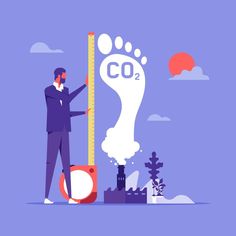
Sources of Carbon Footprints:-
1. Transportation causes carbon dioxide emissions through cars together with planes ships and fossil fuel powered public transportation systems.
2. The consumption of electricity and heating requires the utilization of coal oil or natural gas.
3. The production of food involves agricultural farming combined with livestock production especially cattle methane emission and food manufacturing and transportation systems.
4. The production of goods in industrial facilities counts as a significant contributor to carbon footprints especially when manufacturing materials that need significant energy usage (such as cement and steel).
5. Excessive waste ends up in landfills where methane escapes and incineration procedures take place.
Why It Matters
The production of carbon footprints leads to global warming together with climate change.
The reduction of greenhouse gas emissions stands as essential to fulfill net-zero targets because it maintains temperature levels below 1.5°C or 2°C above pre-industrial levels according to the Paris Agreement.
In 2024, the countries with the highest total carbon dioxide (CO₂) emissions were:
• China: Approximately 12.3 billion metric tons of CO₂.
• United States: Approximately 5.29 billion metric tons of CO₂.
• India: Approximately 3.17 billion metric tons of CO₂.
• Russia: Approximately 1.8 billion metric tons of CO₂.
• Indonesia: Approximately 1.48 billion metric tons of CO₂.
• Brazil: Approximately 1.47 billion metric tons of CO₂.
• Japan: Approximately 1.06 billion metric tons of CO₂.
• Iran: Approximately 0.84 billion metric tons of CO₂.
• Canada: Approximately 0.73 billion metric tons of CO₂.
• Saudi Arabia: Approximately 0.71 billion metric tons of CO₂.
The data shows that these countries produce major amounts of carbon emissions which impact global emissions totals. These countries produce the highest amount of emissions but individual emission levels differ strongly based on population density as well as industrial production rate.
Ways to Reduce Carbon Footprints:-
(A) Switching to renewable energy sources:-
Natural resources that restore themselves during sustainable periods make up renewable energy sources. When power generation happens renewable energy systems produce negligible or zero greenhouse gas emissions like fossil fuels do.
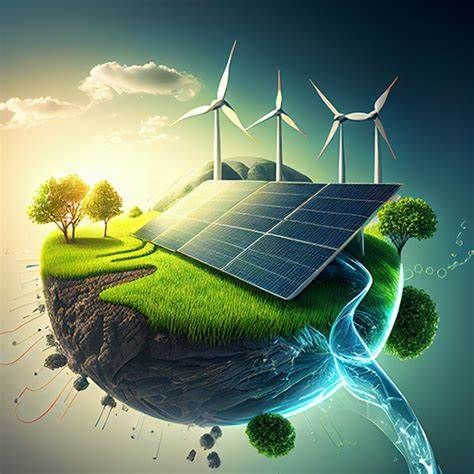
Types of Renewable Energy Sources
1. Solar Energy:
The conversion of sunlight into usable energy takes place through solar panels as well as solar thermal systems.
Renewable resources serve both for electricity production and heat generation and sea water purification.
• Wind Energy:
The energy source produced by wind turbines converts movement of wind into electrical power.
• Effective in areas with strong, consistent winds (e.g., offshore sites).
2. Hydropower (Water Energy):
Dams and river waterflows create electricity production through their natural movement.
Wind energy stands as the leading renewable power source which operates throughout the entire world.
3. Biomass Energy:
The energy source derives from natural organic substances including wooden materials together with agricultural products and waste products.
Renewable energy enables electricity generation while also producing heat systems alongside producing biofuels such as ethanol and biodiesel.
4. Geothermal Energy:
The Earth’s internal heat produces extracted energy from hot water reservoirs and steam deposits.
• Useful for electricity generation and direct heating.
5. Tidal and Wave Energy (Ocean Energy):
Ocean tides and waves naturally move to create this energy source.
Renewable energy obtained from tidal and wave movement holds promise for the future yet remains a less established technology.
Benefits of Renewable Energy
Renewable energy systems simultaneously lower emissions that harm the environment and reduce atmospheric pollution.
• Sustainable and inexhaustible.
Green job creation paired with economic growth enhancement forms part of its benefits.
(B) Improving energy efficiency.
Public transportation together with biking and walking should be used as alternatives to driving.
Consumers should minimize their intake of meat with beef as their main target.
People should adopt a three-part approach to manage materials by reducing their use and also by reusing them and recycling them.