
The world is facing some big challenges when it comes to our environment and the way we produce energy. With climate change becoming a growing concern, the shift toward renewable energy—like solar, wind, and hydropower—is more important than ever. But this transition isn’t just about reducing carbon emissions; it’s also about creating job opportunities that help build a cleaner, more sustainable world. Renewable energy jobs are a key part of this solution, and they offer exciting career paths for those looking to make a real impact.
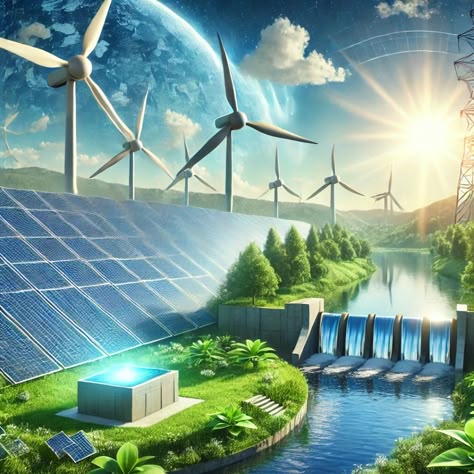
In this article, we’ll explore why renewable energy jobs are essential for our future, what types of careers are available, and why now is the perfect time to consider a career in this field.
# The Growing Need for Renewable Energy Jobs
Renewable energy shows rapid expansion in its market sector. Renewable energy continues to grow so the world-wide need for employees in this field remains steadily rising. The International Renewable Energy Agency (IRENA) predicts that renewable energy will generate millions of new global employment opportunities during the upcoming decades.
Renewable energy job opportunities continue to grow because our society needs faster solutions to fight climate change and lower carbon emissions to support sustainable power systems. The renewable energy sector has become a strategic industry for future development because increased investments in clean technologies continue to grow its importance.
# Renewable Energy: A Better Path for Our Future
The world needs renewable energy solutions to solve major environmental challenges. Solar power together with wind power and hydropower generate pollution-free energy that does not affect the environment. By employing these energy sources society reduces environmental pollution and slows down global warming which results in preservation of the planet for upcoming generations.
The use of renewable energy strengthens energy security through domestic generation since countries become less reliant on imported fuels. According to experts local solar wind energy generation provides both dependable power systems and decreased possibilities of power shortages.
# Exciting JOBS in Renewable Energy
Soft elastic jobs in renewable energy operations represent an outstanding benefit of this sector. This field welcomes all backgrounds including engineers who manage projects alongside scientists who strive toward sustainability. Minor information about major areas of work within the renewable energy sector follows below:
1. Solar Energy Jobs
Solar energy has emerged as a dominant choice among clean energy alternatives that people use at present. Specific job roles within solar energy consist of personnel who install solar panels and engineers who create solar systems as well as representatives who market solar solutions to potential customers. The strong market demand for solar energy jobs grows steadily because homeowners across the nation choose solar panel installations.
2. Wind Energy Jobs
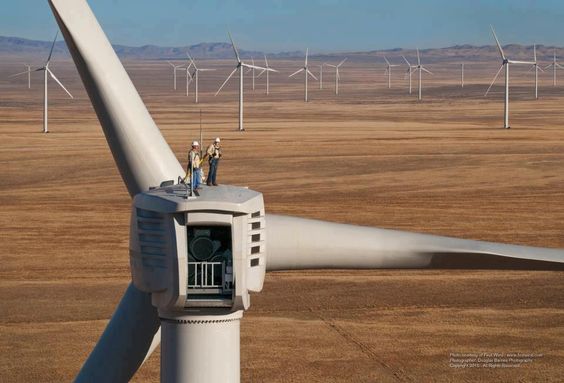
Current wind energy industry expansion results in worldwide installation of wind turbines. Through the wind energy sector workers can become technicians who focus on turbine installation and maintenance while engineers handle turbine design optimization alongside project managers who manage wind farm construction. The wind project meets its environmental requirements thanks to environmental consultants who perform this oversight.
3. Hydropower Jobs
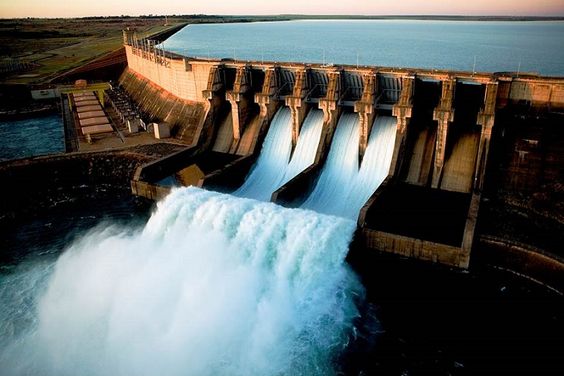
Hydropower serves as a long-standing renewable energy form since humans have produced energy by using moving water for many years. Hydropower jobs include water experts such as engineers who design and maintain facilities as well as hydrologists who study water systems and maintenance technicians who check for operational efficiency.
4. Bioenergy Jobs
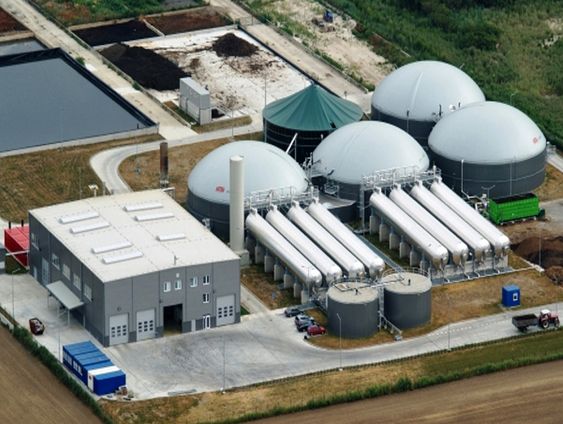
The production of energy through bioenergy depends on the transformation of plant-based raw materials together with waste products. Two main types of occupations in this field are biotechnologists who create better biofuel production methods and chemical engineers responsible for improving bioenergy processes as well as production managers who control bioenergy production.
5. Geothermal Energy Jobs
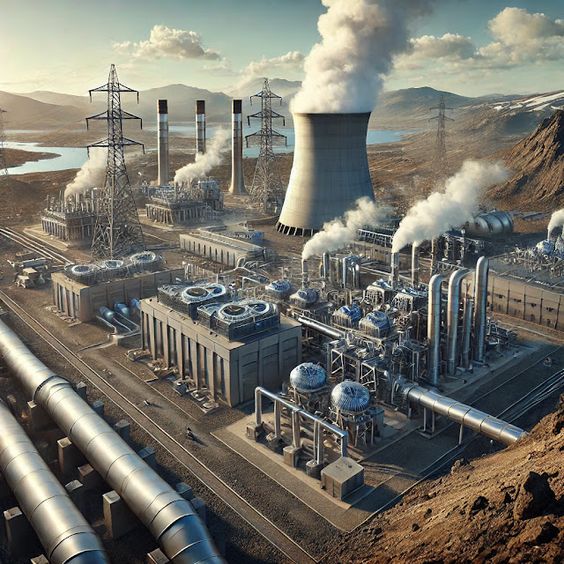
Geothermal energy uses the heat from the Earth to generate power. People working in this field include geologists, who study geothermal sites, mechanical engineers, who design the systems that capture geothermal energy, and drillers, who help access underground heat sources.
*** Several regions and countries are leading in renewable energy employment, driven by their commitment to clean energy transitions, policy incentives, and investments in renewable technologies. Below are the key leaders in renewable energy job creation:
1. China
China is the world’s largest producer and consumer of renewable energy, and it dominates global renewable energy employment.
• In 2022, China accounted for 41% of global renewable energy jobs, with around 6.4 million people employed in clean energy roles, particularly in solar and wind sectors.
• The country’s commitment to expanding its renewable energy capacity continues to fuel job creation in sectors like solar panel manufacturing, wind turbine production, and energy storage systems.
Sectors: Solar power, wind energy, energy storage, and electric vehicles.
2. United States
The U.S. is one of the largest renewable energy employers, with a growing number of jobs created across solar, wind, and energy storage sectors.
• In 2023, the U.S. renewable energy sector employed approximately 3.5 million people, with clean energy businesses growing at twice the rate of the overall U.S. job market.
• The solar industry alone employed over 279,000 workers in 2023, while wind energy also added significant job numbers.
Sectors: Solar, wind, energy efficiency, bioenergy, electric vehicles.
3. European Union (EU)
Europe is a major hub for renewable energy technologies and policies, with countries like Germany, Spain, and Denmark leading the way in renewable energy job creation.
• In 2022, the EU had 1.5 million people employed in renewable energy, with strong growth in solar, wind, and biomass energy.
• The European Commission aims for renewable energy to account for 40% of the EU’s total energy consumption by 2030, which is expected to further drive employment in the sector.
Countries and Sectors:
• Germany: Leading in wind and solar energy.
• Denmark: Known for wind energy manufacturing and innovation.
• Spain: Significant growth in solar power and wind energy.
• France and the UK: Investments in offshore wind energy.
4. India
India is a growing leader in renewable energy, particularly in solar and wind power.
• India’s renewable energy sector employed around 1.2 million people in 2023, and the government’s ambitious renewable energy target of 500 GW by 2030 is expected to further boost job growth.
• In 2022, India added around 10 GW of solar capacity alone, creating thousands of jobs in installation and maintenance.
• Sectors: Solar power, wind energy, and bioenergy.
5. Brazil
Brazil positions itself as a significant role player in renewable energy by focusing on development of bioenergy alongside wind energy systems.
• The renewable energy sector in Brazil employs over 1 million people, primarily in biofuels, wind energy, and solar power.
Brazil stands as a global leader in bioenergy manufacturing through sugarcane ethanol and continues to expand its wind energy infrastructure rapidly.
Bioenergy (ethanol) and wind power and solar energy represent the renewable energy sectors in Brazil.
6. Australia
Australia is increasing its renewable energy capabilities through major investments that support solar power and wind power and battery storage projects.
According to 2022 statistics the renewable power industry in Australia provides approximately 100,000 jobs with projections indicating further employment growth will occur as Australia shifts towards renewable energy sources.
Solar PV installation rates in Australia continue to increase rapidly while the country adds wind energy capacity at a rapid rate.
• Sectors: Solar power, wind energy, battery storage.
7. Canada
The renewable energy jobs of Canada employs a substantial workforce mainly specialized in hydropower and wind energy together with solar energy.
The renewable energy jobs in Canada continues to employ approximately 300,000 professionals at present while actively investing in major clean energy operations across Quebec, Ontario and British Columbia.
• Sectors: Hydropower, wind energy, solar power, bioenergy.
8. Mexico
Mexico is increasingly becoming a renewable energy leader in Latin America, with strong growth in solar and wind energy employment.
• In 2023, Mexico’s renewable energy sector employed around 250,000 people, with solar and wind power installations driving job growth.
• Mexico has committed to generating 35% of its energy from clean sources by 2024, creating new employment opportunities in energy production, maintenance, and infrastructure.
Sectors: Solar, wind, and geothermal energy.
Countries leading in renewable energy jobs are those that have invested heavily in renewable technologies and policies. China, the United States, and the European Union stand out due to their large-scale investments in solar, wind, and other clean energy sources, with rapid growth in employment opportunities. India, Brazil, and Australia are also emerging as key players with strong renewable energy job growth, while nations like Mexico and Canada are expanding their clean energy workforces in line with ambitious sustainability goals.
# What Skills Are Needed for Renewable Energy Jobs?
Renewable energy jobs require a variety of skills, both technical and personal. Depending on the type of job, these skills might include:
• Engineering: Engineers are needed to design and build renewable energy systems, like wind turbines or solar panels.

• Project Management: Project managers oversee the planning and execution of renewable energy projects, ensuring they are completed on time and within budget.

• Research and Development: Researchers are crucial in finding new ways to improve renewable energy technologies and make them more efficient and affordable.

• Communication: As renewable energy projects often involve working with multiple teams and stakeholders, communication skills are important to keep everyone on the same page.

# Education and Training for Renewable Energy JOBS
You must not hold an engineering degree before beginning work in renewable energy. Multiple position opportunities exist for workers coming from various academic fields but engineering and environmental science and biotechnology require specialized degrees. The Solar PV Installation certification provides practical skills required to perform solar panel installations because it certifies your ability for hands-on work.
Higher roles such as project management or engineering typically demand graduation from either engineering, physics or environmental science programs. Every background has opportunities to begin building renewable energy careers through educational opportunities and practical training programs and internship experiences as well as professional certification courses.
# Why Should You Consider a JOBS in Renewable Energy?
Renewable energy presents an excellent occupational choice because it provides both meaning in your work and dependable employment stability. Here’s why:
• Your employment in renewable energy gives you a direct opportunity to help promote climate crisis solutions while creating a better future for generations to come.
• The renewable energy field is expanding at a rapid pace while its need for qualified professionals continues to rise throughout the coming years. More employment chances exist for any person looking for a job.
• Multiple choices exist in renewable energy fields that range from practical positions doing installations all the way to specialized engineering and scientific duties.
• The renewable energy field allows you to help build a sustainable future by making the world cleaner because sustainability remains at its core.
People working in renewable energy jobs can expect to enjoy stable career opportunities because the world continues moving towards cleaner forms of energy.
# How to Get Started
To start your jobs in renewable energy follow these basic steps:
• Before moving forward research all sectors of renewable energy to discover which area best suited for your professional abilities.
• To gain professional competencies for particular job roles you should consider taking certification classes that focus on solar panel installation or wind turbine maintenance.
• The development of professional relationships happens when you attend renewable energy events and workshops together with conferences to connect with people who work in this industry and discover open positions.
• To obtain practical experience for the renewable energy jobs you should apply for entry-level positions or internships or take part in volunteer projects and work at beginner-tier jobs.
# Conclusion
The employment sector of renewable energy serves as a fundamental basis for constructing a future that is ecological and clean. Clean energy demand expansion leads to increasing professions within this sector. Solar, wind, hydropower and geothermal energy offer endless career paths where you can thrive professionally while contributing to meaningful environmental change.
Your renewable energy jobs will protect the planet and put you at a strategic point within the rapidly expanding sustainable sector. You can create a bright future for energy because the opportunity exists right before you.