
Introduction
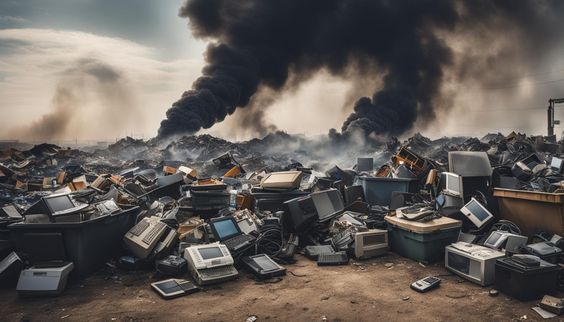
Our current era functions because of technology that people use daily. Present-day society relies on electronic devices to perform all their daily tasks because they include smartphones as well as laptops and televisions and refrigerators also fit into this category. The explosive development of technology created electronic waste (e-waste) which now stands as a key environmental challenge. The term E-waste pollution describes unwanted electronic components and devices along with their obsolete parts. Global dependence on electronic items produces growing quantities of waste from electronics.
The improper disposal of electronic waste creates a full-scale environmental disaster. When electronic waste goes to landfill it causes pollution while affecting human health by endangering people’s safety and depleting important resources. The blog delves into the origins of e-waste pollution followed by a study of its ecological consequences and health effects and introduces various methods to address the escalating e-waste problem.
What is E-Waste Pollution?
E-waste defines all discarded electrical devices when these devices lose functionality and become obsolete or when owners lose interest in them. Common examples include:
The most common products that create e-waste include personal computers along with smartphones, laptops, tablets and tablets.
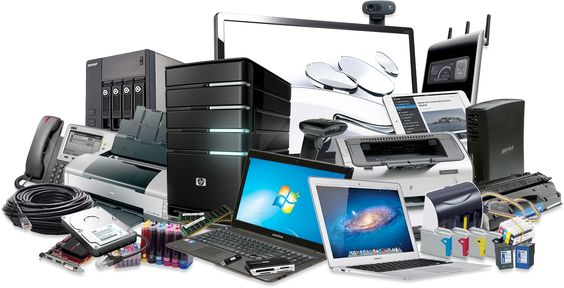
• Televisions, refrigerators, microwaves, and air conditioners
• Batteries, printers, and other electronic components
Modern electronic devices produce e-waste at concerning rates because they have become global in distribution. According to the United Nations 53.6 million metric tons of electronic waste formed worldwide during 2019 and scientists predict this amount will increase yearly.
Causes of E-Waste Pollution
• Rapid Technological Advancements
Rapid technological innovation stands as the main driver behind e-waste production increases. Updated electronic products continue to reach the market with better specifications and better functionality. The swift progression of technology creates a problem because it generates rapid device discarding. Modern electronics survive only a short duration before people discard them which generates a steady flow of consumption and disposal processes.
• Planned Obsolescence

Designers from numerous manufacturing companies use built-in decay strategies to limit product lifetime through planned obsolescence. The manufacturing industry purposely designs products to expire quickly so people prefer new replacements over updating their existing devices. Manufacturers construct products through built-in flaws that trigger product failure for consumers who subsequently need to buy newer models. The continuous generation of electronic waste increases due to this manufacturing method.
• Consumer Culture and Disposable Electronics
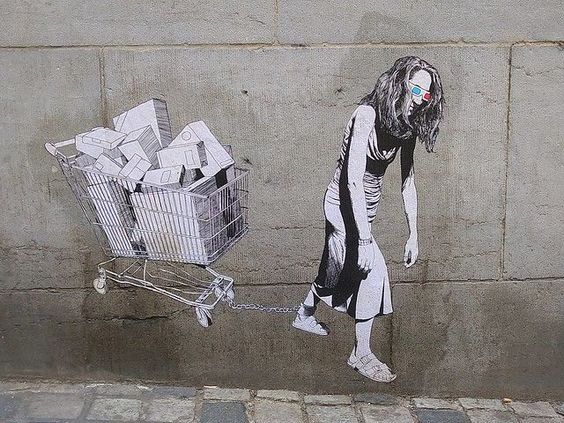
Our modern consumer culture teaches us to replace our current electronics with brand new ones instead of keeping them. The fall in electronics prices together with easily accessible cheap items has established a mind-set of disposal that leads to extra E-waste build-up.
• Lack of Awareness
The awareness about environmental consequences of E-waste pollution remains low across different areas throughout the world. The act of disposing electrons in dumps or incinerators remains a mystery to most individuals since it results in extensive environmental damage. The improper infrastructure for disposing e-waste throughout developing countries adds to the severity of electronic waste problems.
Impacts of E-Waste Pollution
• Environmental Pollution
The improper disposal methods of electronic waste result in major environmental contamination processes. Electronic components contain dangerous substances including mercury and lead as well as cadmium and brominated flame retardants. Ecosystems become contaminated when hazardous materials from electronics escape into the soil and water during landfill disposal or open-air burning incidents which leads to damage of both plant and animal life.
• Soil Contamination:- Electronical waste toxic substances enter soils and create a problem for plant development while making soil unfertile.
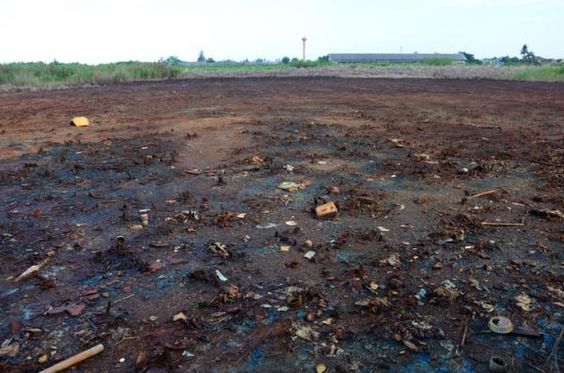
• Water Pollution:-The substances in e-waste that seep into groundwater create drinking water contamination which leads to damage for aquatic creatures.
• Air pollution:- The process of burning e-waste for metal extraction produces toxic air emissions that increase both airflow contamination and greenhouse gas emissions.
• Health Risks
The dangerous elements contained in e-waste products create significant health threats to persons who come in contact with them. People who work in informal e-waste recycling sites of developing nations face severe health threats. Workers who dismantle electronic devices without suitable protective gear face several health problems as they handle the materials.
• Neurological damage:- exposure harms the brain especially in children thus it leads to developmental problems alongside learning disabilities.

• Respiratory Problems:- burning of e-waste releases toxic fumes so respiratory problems develop into lung cancer and asthma and other diseases.

• Reproductive and Organ Damage:- Medical problems arise because cadmium and mercury chemicals destroy organs from the kidneys and liver and affect female reproductive capabilities.

For a long term exposure to e-waste toxins eventually leads to persistent health issues along with premature death situations.
• Depletion of Natural Resources
Multiple electronic devices hold precious resources which include gold silver copper together with rare earth metals. Disposing of devices without recycling leads to the waste of crucial materials present in these products. When e-waste recycling serves to extract useful materials it decreases the requirement of mining thus providing relief to both environment systems and regional communities. The practice of discarding e-waste results in losses of valuable resources and simultaneously depletes natural resources.
The Global E-Waste Crisis
E-waste pollution problems spread throughout the entire globe without geographic restrictions. The problem affects countries at all economic levels throughout the world. The growing consumption of electronics within developed nations leads to increased generation of e-waste. Developing countries experience most of the pollution from toxic products.
• Recycling and disposal in developing countries:- Developing territories in Africa Asia together with Latin America accept electronic waste from different countries even though they lack proficient waste handling systems. These countries operate without effective e-waste management programs because they depend on dangerous informal recycling practices that affect both environmental well-being and human health. Ghana together with Nigeria allow their workers to burn e-waste in outside locations for metal extraction leading to toxic substance exposure for all involved.

• Illegal E-Waste Trade:- E-waste travels illegally from developed countries to nations with weak regulations in order to receive inexpensive recycling services. Zero safety measures and unfair wage compensation intensify environmental harm because workers lose out on protection both at their workplace and through wages.
Solutions to E-Waste Pollution
To address the complexity of E-waste problems various strategies exist which fight environmental consequences while reducing pollution effects.
• Extended Producer Responsibility (EPR)
The solution to controlling e-waste pollution developments begins with Extended Producer Responsibility (EPR) programs. Through Extended Producer Responsibility manufacturers accept responsibility to manage their merchandise from manufacturing until proper disposal and product recycling. As part of EPR manufacturers must develop product collection systems together with the financial burdens for all recycling operations. Companies design their products with simplicity in mind during recycling operations while simultaneously making them environmentally friendly under this system.
• Recycling and Recovery Programs
Organizations along with governments need to support formal setups for e-waste recycling programs which provide secure disposal services for electronic products. Accessible programs with regulatory oversight and efficiency must exist for proper hazardous material handling to prevent improper management. The purpose of proper recycling is to extract valuable materials such as metals, plastics and glass that manufacturers use in product reformation.
• Consumer Awareness and Education
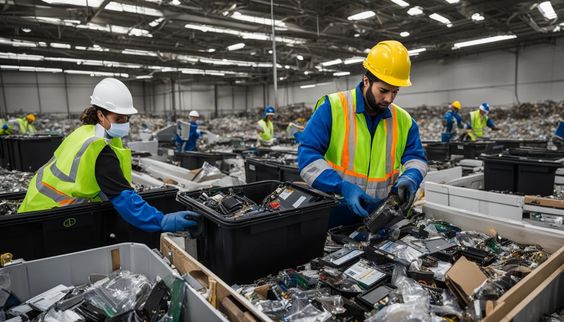
To combat environmental and health hazards from e-waste it is essential to spread knowledge across the public. Educational institutions together with governments along with NGOs should run advocacy initiatives to teach consumers proper e-waste disposal techniques. Wider understanding about recycling processes as well as improper disposal risks will convince more people to adopt sustainable behaviors.
• Design for Sustainability
The process of sustainable product design by manufacturers creates electronics which are simpler to recycle and maintain. The design of devices should involve modular construction that enables component replacement independently from other elements thus minimizing the necessity of discarding complete devices. The environmental impact of e-waste decreases when manufacturers combine fewer dangerous materials with user-friendly products that become available for recycling.
• Government Regulations
The government needs to enforce strong e-waste management rules while taking charge of their proper enforcement. The required programs consist of building appropriate e-waste disposal systems alongside process supervision for recycling and rigorous enforcement against unauthorized e-waste dumping. Implementing systems which provide rewards for correct recycling behavior together with punishment for improper disposal helps people comply with sustainable practices.
Conclusion
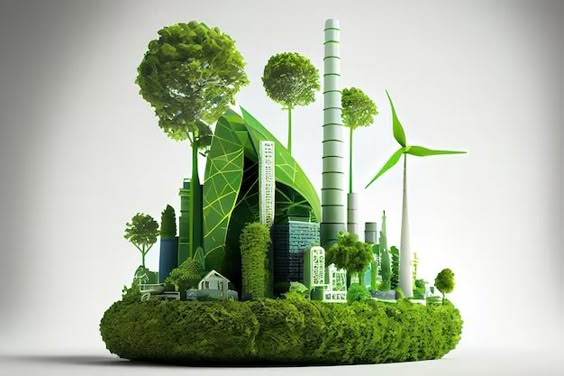
The expanding e-waste crisis worldwide creates devastating impact on our planet along with harmful effects on human health together with resource depletion. E-waste Pollution production rates increase annually based on rising technological progress and expanding electronic device consumer demand. A solution to this problem requires the integration of sustainable practices together with consumer education and recycling programs besides responsible manufacturing standards. The collaboration of governments with manufacturers and consumers will lead to decreased electronic waste pollution and establish a future with safer conditions for the planet.