In today’s world, where climate change and pollution are growing concerns, industries are often seen as one of the biggest contributors to environmental damage. But the good news is — industries can absolutely run in an eco-friendly way.
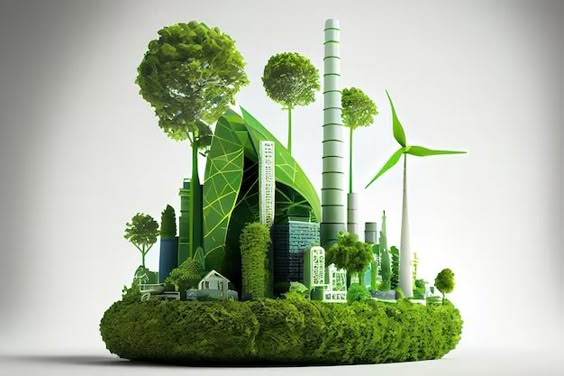
With the right practices and technologies, businesses can protect the environment while still growing and making profits. Here’s how they can do it:
1. Use of Renewable Energy
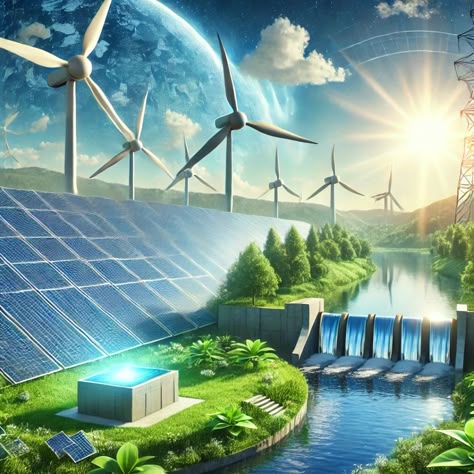
Industries can replace fossil fuels like coal and oil with clean energy sources such as:
• Solar power (from sunlight)
• Wind power (from wind turbines)
• Hydroelectric power (from flowing water)
Why it helps:
These energy sources are renewable and don’t release harmful gases into the air.
Example:
Factories using solar panels to generate electricity and reduce their carbon footprint.
2. Sustainable Materials
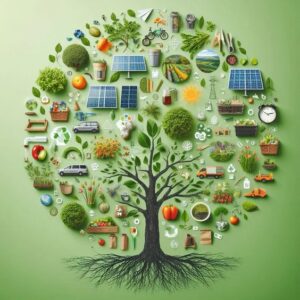
Choosing materials that are natural, biodegradable, or recyclable instead of harmful plastics or chemicals. These include:
• Recycled metals or plastics
• Bamboo, hemp, or organic cotton
• Biodegradable packaging
Why it helps:
Reduces pollution, saves natural resources, and promotes environmental balance.
Example:
Furniture companies using bamboo wood instead of cutting down old trees.
3. Efficient Waste Management
Handling industrial waste in a responsible way, such as:
• Separating waste for recycling
• Treating harmful chemicals before disposal
• Reusing water and leftover materials
Why it helps:
Prevents land, water, and air pollution and supports a cleaner environment.
Example:
Factories recycling water for reuse in the production process.
4. Cleaner Production Technologies
Using modern machines and systems that:
• Use less electricity or fuel
• Reduce emissions
• Avoid harmful byproducts
Why it helps:
Lowers pollution and makes the entire process more energy-efficient.
Example:
A factory installing filters to clean smoke before releasing it into the air.
5. Green Certifications & Standards
Green certifications and standards are official approvals given by recognized organizations to businesses or buildings that follow certain environmental rules or best practices.
These certifications ensure that the industry is operating in a way that reduces harm to the environment and promotes sustainability. They help:
Build trust with consumers
Reduce pollution and waste
Encourage efficient use of resources
• ISO 14001 (Environmental management system)

A global standard for how a company manages its environmental responsibilities.
Helps industries continuously improve and minimize their environmental footprint.
Example: A manufacturing plant that tracks its water usage, controls chemical disposal, and uses eco-friendly packaging.
• LEED (Green building certification)
A green building certification developed by the U.S. Green Building Council.
What it checks: Energy efficiency, water conservation, use of sustainable materials, air quality, and site planning.
Why it matters: Encourages the construction of buildings that are healthy for both people and the environment.
Example: A company office that uses solar panels, LED lighting, rainwater harvesting, and natural ventilation.
• Fair Trade (Ethical production and sourcing)
Ensures products are made ethically and sustainably, with fair wages and good working conditions.
What it checks: Environmental standards, labor rights, safe working conditions, and sustainable farming.
Why it matters: Encourages responsible sourcing, especially in agriculture, textiles, and crafts.
Example: A clothing brand using organic cotton grown without harmful pesticides and paying fair wages to farmers.
Why it helps:
Encourages industries to maintain eco-friendly standards and builds public trust.
Example:
Offices and factories with LEED-certified buildings that use less water and electricity.
6. Circular Economy Practices
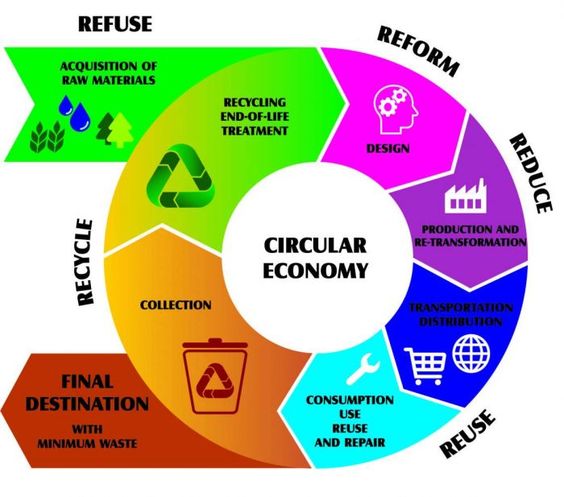
Creating a system where nothing is wasted. Instead of making something, using it, and throwing it away — products are:
• Reused
• Repaired
• Recycled
Why it helps:
Reduces the need for new resources and cuts down on waste.
Example:
Mobile companies that collect old phones and reuse parts to build new ones.
Challenges and Difficulties
While going eco-friendly sounds ideal, it’s not always easy. Industries often face several challenges, such as:
1. High Initial Costs
Setting up solar panels, waste treatment systems, or energy-efficient machines can be expensive at first.
Many small businesses can’t afford the upfront investment.
2. Lack of Knowledge or Training
Workers and managers might not know how to switch to sustainable practices or may need special training.
3. Supply Chain Issues
Finding eco-friendly raw materials or packaging can be difficult, especially in areas where such options are limited or costly.
4. Resistance to Change
Some industries are used to traditional methods and may resist switching to greener alternatives due to fear of risk or disruption.
5. Government Support
Not all countries offer strong support or incentives for green practices, making it harder for businesses to afford and implement them.
6. Maintaining Profits
Balancing eco-friendly practices with making profits can be tricky, especially when customers expect low prices.
Conclusion
Eco-friendly industries are not only possible — they are the future. Despite the challenges, many businesses are showing that it’s possible to grow sustainably.
By using green energy, reducing waste, and being responsible with resources, industries can help build a healthier planet.
It’s not just about profit anymore — it’s about purpose, responsibility, and future generations.
Hi,
I just want to say that as we live in our home and we avoid to spread waste then this earth is our big home then why we are polluting it .
I am not saying that I don’t do waste, but I want to change it from one person nothing will change but when we will come together then it will definitely can change….