
Introduction
How much should we plant to slow down global warming:- Global warming isn’t some distant threat we can ignore until tomorrow. It’s happening now—melting glaciers, rising sea levels, increasing wildfires, and unpredictable weather patterns. Scientists, activists, and even school kids are raising a loud alarm: we need to act! Among all the solutions floating around, one simple, beautiful idea stands out: plant more trees.
But how many trees do we actually need to plant to make a real difference? Can planting trees alone fix the mess we’ve made? Let’s dive deep into this vital question.
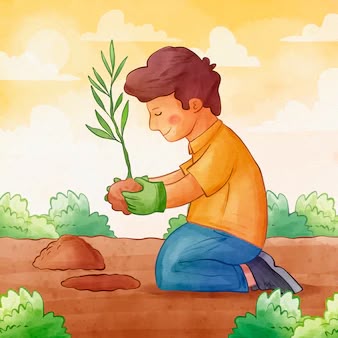
The Relationship Between Trees and Climate Change
Before we talk about numbers, it’s important to understand why trees are so crucial in fighting global warming.
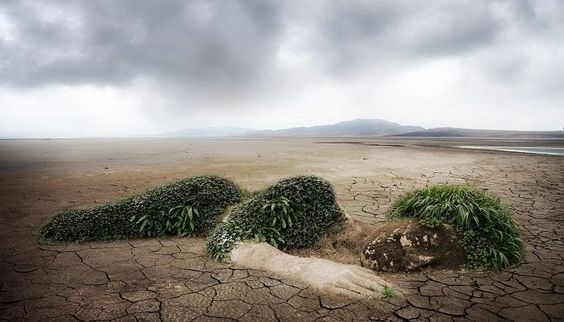
Trees act like giant sponges for carbon dioxide (CO₂), which is the main greenhouse gas driving climate change. Through a process called photosynthesis, trees absorb CO₂ from the atmosphere and store it in their trunks, branches, leaves, and roots. In doing so, they cool the Earth naturally.
A mature tree can absorb roughly 22 kilograms (48 pounds) of CO₂ per year. That might not sound like a lot, but think about a forest of millions of trees, all working silently and steadily to clean our air. Nature’s own army against pollution!
How Much CO₂ Do We Need to Offset?
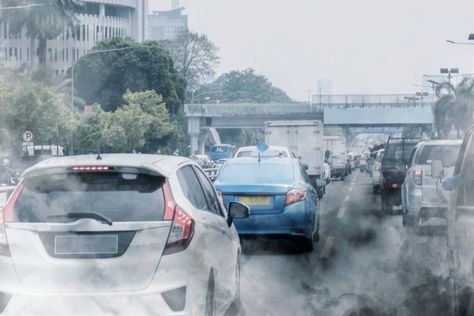
According to the Global Carbon Project, the world emitted about 36.8 billion tonnes of CO₂ in 2022 alone. That’s 36,800,000,000,000 kilograms of CO₂!
If one tree absorbs around 22 kg of CO₂ per year:
• We’d need about 1.67 trillion trees working for one full year just to offset a single year’s emissions.
•
Sounds overwhelming, right?
But stay with me—there’s hope.
How Many Trees Can We Actually Plant?
A 2019 study by scientists at ETH Zurich estimated that the Earth has about 0.9 billion hectares (9 million square kilometers) of land available for reforestation.
If we used all that land wisely, we could plant around one trillion trees.
These trillion trees could potentially store about 205 gigatonnes of carbon over a few decades (not instantly)—which would remove about two-thirds of the carbon pollution humans have pumped into the atmosphere since the Industrial Revolution.
In simple words: planting a trillion trees could significantly slow down global warming.
Where Should We Plant These Trees?
Not all land is equal when it comes to tree planting. Experts recommend:
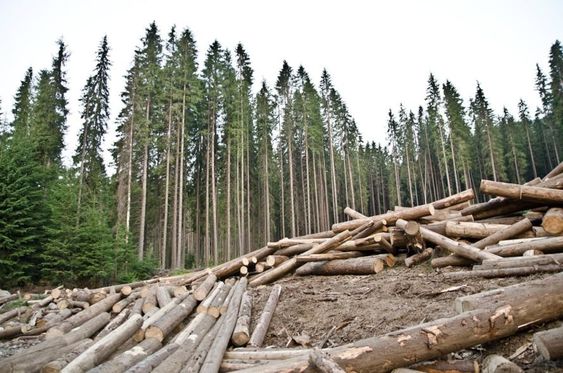
• Degraded lands: areas where forests have been cut down.
• Savannas and grasslands: with caution, to preserve biodiversity.
• Urban areas: rooftops, gardens, roadsides.

• Farmlands: integrating trees into farms (called agroforestry).
Importantly, we shouldn’t plant trees in natural grasslands, wetlands, or tundra ecosystems where trees don’t naturally belong. Otherwise, we risk damaging delicate ecosystems.
Is Planting Trees Enough?
As wonderful as trees are, they are not a silver bullet.
Here’s why:
• Trees take decades to grow and store carbon.
• Forests can be destroyed by wildfires, pests, or droughts, releasing the stored CO₂ back into the air.
• Tree planting doesn’t tackle other emissions like methane from livestock or nitrous oxide from fertilizers.
Planting trees must go hand-in-hand with cutting emissions from fossil fuels, industries, and agriculture.
In short: Trees buy us time, but they don’t replace action.
How Many Trees Should You Plant?
Now, let’s bring this closer to home.
The average person globally produces about 4.5 tonnes of CO₂ per year. In countries like the United States, it can be up to 16 tonnes or more!
Using the 22 kg per tree figure:
• 4.5 tonnes = 4,500 kilograms
• 4,500 ÷ 22 = about 205 trees per person per year to offset an average global footprint.
Realistically, it’s hard for one person to plant 205 trees every year.
But imagine if:
• One billion people planted 1 tree each year = 1 billion new trees annually.
• One billion people planted 5 trees each = 5 billion trees!
Small actions, multiplied, can create massive change.
Global Tree Planting Campaigns
The world is already responding with ambitious tree-planting projects:
• The Great Green Wall in Africa aims to plant trees across the Sahara to combat desertification.
• The Trillion Tree Campaign launched by organizations like Plant-for-the-Planet is rallying global support.
Even tech companies like Microsoft and Apple are investing in reforestation projects to become “carbon negative.”
Clearly, planting trees has become a global movement.
What Kind of Trees Should We Plant?
Not just any tree will do.
The right tree in the right place is critical for success.
Key guidelines:
• Native species are best because they naturally thrive in local conditions.
• Diverse species support greater biodiversity and healthier ecosystems.
• Resilient species are needed in areas facing climate extremes.
Planting a monoculture (only one type of tree) can create weak forests vulnerable to disease and disasters. We need vibrant, diverse, and living forests.
How You Can Get Involved
You don’t need to be a scientist or billionaire to make a difference. Here’s how you can help:
• Plant trees locally: Join community events, schools, or NGOs.

• Support global initiatives: Donate to trusted reforestation organizations.
• Grow native plants at home: Even a small backyard forest matters!
• Spread awareness: Talk about tree planting in your community or social media.
• Protect existing forests: Conservation is just as important as reforestation.
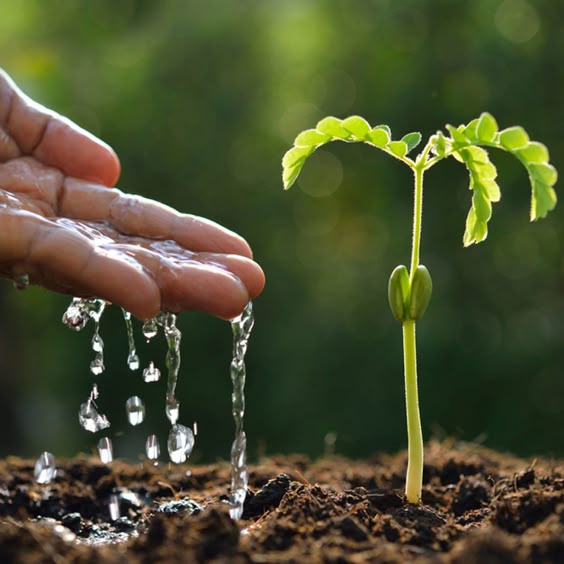
Even one tree planted with care and hope can echo across generations.
The Bigger Picture: Regreening Our Future
Imagine a world where cities are shaded by fruit trees, where once-barren lands hum with buzzing bees and chirping birds, where the air smells fresh and rains come on time.
Trees can gift us that world—if we let them.
But the clock is ticking. The sooner we act, the better. Planting trees today is an investment not just for ourselves, but for countless generations after us.
As the ancient proverb says:
“The best time to plant a tree was 20 years ago. The second-best time is now.”
Conclusion
So, how much should we plant to slow down global warming?
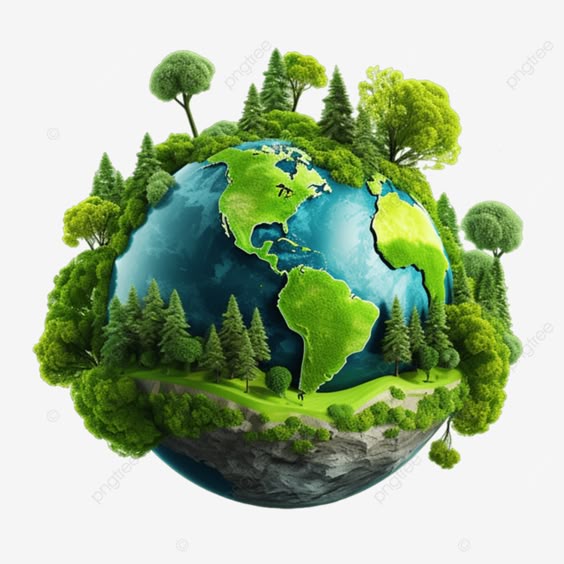
In short: as much as we possibly can, everywhere we responsibly can.
If each of us does our part—planting, protecting, and cherishing trees—we can bend the curve of climate change.
It won’t be easy, and it won’t be fast. But with patience, unity, and love for our planet, we can regrow the green armor Earth so desperately needs.
One tree at a time. One heart at a time.