
Who was the first man on Earth? Scientists try to answer this question by looking at fossils, genes, and bones left behind by our ancient ancestors. This blog will explain what science has discovered so far about the first humans.
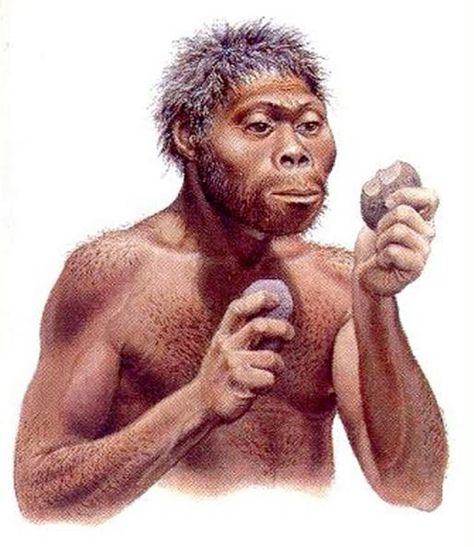
Understanding Human Evolution
Human evolution is the gradual process through which humans developed from earlier species of primates over millions of years. This complex journey is explained through Charles Darwin’s theory of evolution by natural selection. According to this theory, organisms with traits that help them survive and reproduce are more likely to pass those traits on to their offspring.
Evolution doesn’t happen overnight; it takes thousands or even millions of years. Over time, species change to adapt to their environment, leading to the emergence of new species while others go extinct. Humans, like all living organisms, are part of this process.
The story of human evolution began when our ancestors split from the chimpanzee line about 6–7 million years ago. Since then, various species closely related to modern humans have evolved and gone extinct. Fossil evidence, genetic studies, and tools made by early humans are crucial in understanding our evolutionary path.
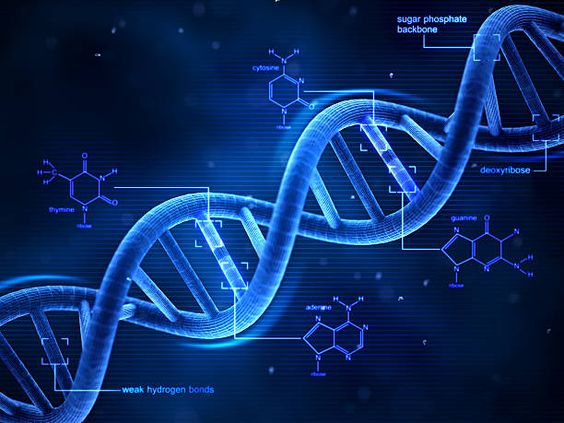
Understanding human evolution involves studying bones, fossils, tools, and even the DNA of modern humans and ancient species. Scientists compare physical traits, such as skull shapes and teeth, and genetic data to piece together how species evolved and when specific traits appeared. Recent advancements in genetic technology have allowed researchers to trace human ancestry back hundreds of thousands of years.
While fossils give clues about physical features and development, genetic studies help identify relationships between ancient species and modern humans. They also reveal interbreeding between different species, such as Neanderthals and early Homo sapiens.
The Human Family Tree
Scientists believe that our closest living relatives are chimpanzees. Our ancestors split from the chimpanzee line about 6-7 million years ago. Since then, many different human-like species have existed. These are some of the most important ones:
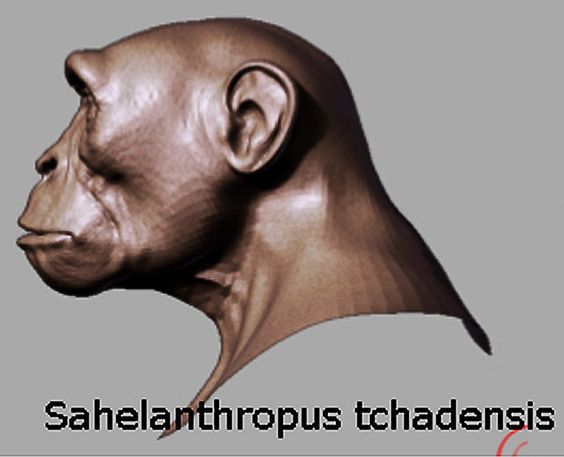
• Sahelanthropus tchadensis (about 7 million years ago) – One of the earliest known ancestors. (Source: Brunet et al., 2002, Nature)
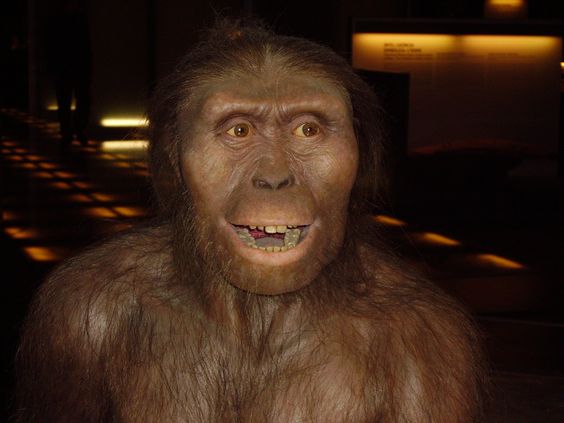
• Australopithecus afarensis (about 3.9 – 2.9 million years ago) – Famous for “Lucy,” a well-preserved skeleton. (Source: Johanson & White, 1979, Science)
• Homo habilis (about 2.4 – 1.4 million years ago) – Known as “handy man” because of tool use. (Source: Leakey et al., 1964, Nature)
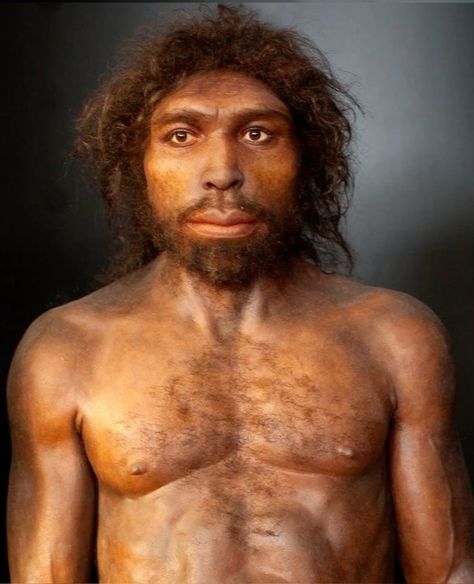
• Homo erectus (about 1.9 million – 110,000 years ago) – First to leave Africa and use fire. (Source: Rightmire, 1990, Cambridge University Press)
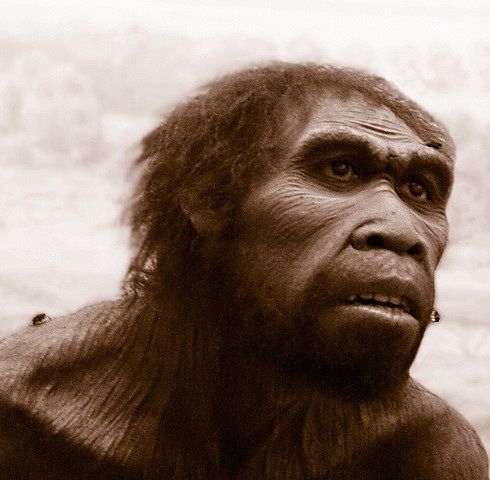
• Homo heidelbergensis (about 700,000 – 300,000 years ago) – Likely a common ancestor of both Neanderthals and modern humans. (Source: Klein, 1999, The Human Career)
The First Modern Humans
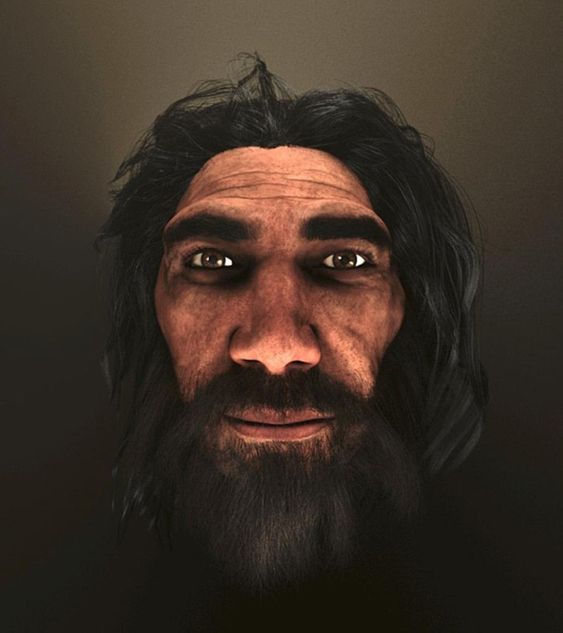
Modern humans, or Homo sapiens, appeared about 300,000 years ago in Africa. Fossils discovered at Jebel Irhoud in Morocco are some of the oldest remains of early Homo sapiens. These early humans had modern-looking faces but slightly larger and differently shaped brains. (Source: Hublin et al., 2017, Nature)
During this period, early Homo sapiens started to develop behaviors and skills that are similar to what we see today. They made tools, used fire, and likely had social groups and communication skills. Over time, they spread from Africa to other parts of the world.
Scientists have also studied our genetic history to find common ancestors. One is known as “Mitochondrial Eve,” who lived around 150,000 to 200,000 years ago. This term refers to a woman whose mitochondrial DNA (passed from mother to child) is found in all living humans today. It does not mean she was the only woman alive then, but rather the only one whose lineage survived. (Source: Cann et al., 1987, Nature)
Who Was the First Man?
Scientists also study the Y-chromosome, which is passed from fathers to sons. They call the most recent common male ancestor “Y-chromosomal Adam.” He likely lived between 200,000 to 300,000 years ago. But “Adam” and “Eve” did not live at the same time. They are simply the ancestors from whom all living humans are descended. (Source: Karafet et al., 2008, American Journal of Human Genetics)
Challenges of Finding the First Man
Finding the first man is not easy for many reasons. Fossils are the main clues scientists have, but they are often broken or incomplete. Sometimes, only a piece of bone or a tooth is found. It’s like trying to solve a puzzle with most pieces missing.
Also, fossils are buried deep under the ground and can be destroyed by natural processes like erosion or shifting earth. Even when fossils are found, it’s hard to accurately date them. Scientists use methods like radiocarbon dating, but these techniques have limitations.
Another challenge is that evolution is a slow, gradual process. There was never a single moment when the first man suddenly appeared. Instead, early humans gradually developed traits like walking on two legs, using tools, and having bigger brains. Because of this, deciding who was the “first man” is difficult.
Additionally, species sometimes interbred. For example, Homo sapiens mixed with Neanderthals and Denisovans. This makes tracing our ancestry even more complicated.
Finally, science is always discovering new fossils and using better technology. New findings can change our understanding of human history. What we know today may be updated tomorrow.
Conclusion
The question of who was the first man is difficult to answer. Evolution is a gradual process, and many different species contributed to the emergence of modern humans. However, by studying fossils and genetics, scientists continue to learn more about our origins. Discoveries are still being made, and the story of human evolution keeps getting clearer.
References
• Brunet, M., et al. (2002). A new hominid from the Upper Miocene of Chad, Central Africa. Nature, 418(6894), 145-151.
• Johanson, D. C., & White, T. D. (1979). A systematic assessment of early African hominids. Science, 203(4384), 321-330.
• Leakey, L. S. B., et al. (1964). A new species of the genus Homo from Olduvai Gorge. Nature, 202, 7–9.
• Rightmire, G. P. (1990). The Evolution of Homo Erectus: Comparative Anatomical Studies of an Extinct Human Species. Cambridge University Press.
• Klein, R. G. (1999). The Human Career: Human Biological and Cultural Origins. University of Chicago Press.
• Hublin, J. J., et al. (2017). New fossils from Jebel Irhoud, Morocco and the pan-African origin of Homo sapiens. Nature, 546(7657), 289-292.
• Cann, R. L., et al. (1987). Mitochondrial DNA and human evolution. Nature, 325(6099), 31-36.
• Karafet, T. M., et al. (2008). New binary polymorphisms reshape and increase resolution of the human Y-chromosomal haplogroup tree. American Journal of Human Genetics, 82(2), 379-388.